NEW HOME

NEW HOME

Galerie der Stadt Backnang, 2025 

The exhibition NEW HOME by Yeşim Akdeniz at Galerie der Stadt Backnang brings a large group of her recent works together. Yeşim Akdeniz’s practice is infused with symbolic narratives that reflect cultural production, negotiation, and appropriation while exploring the migration of forms, materials, and labor, examining the intersections between craft and industrial production. Central to her work is a distinct visual language of symbolism, through which she weaves personal and cultural references, offering layered interpretations of history, identity, and collective memory. 

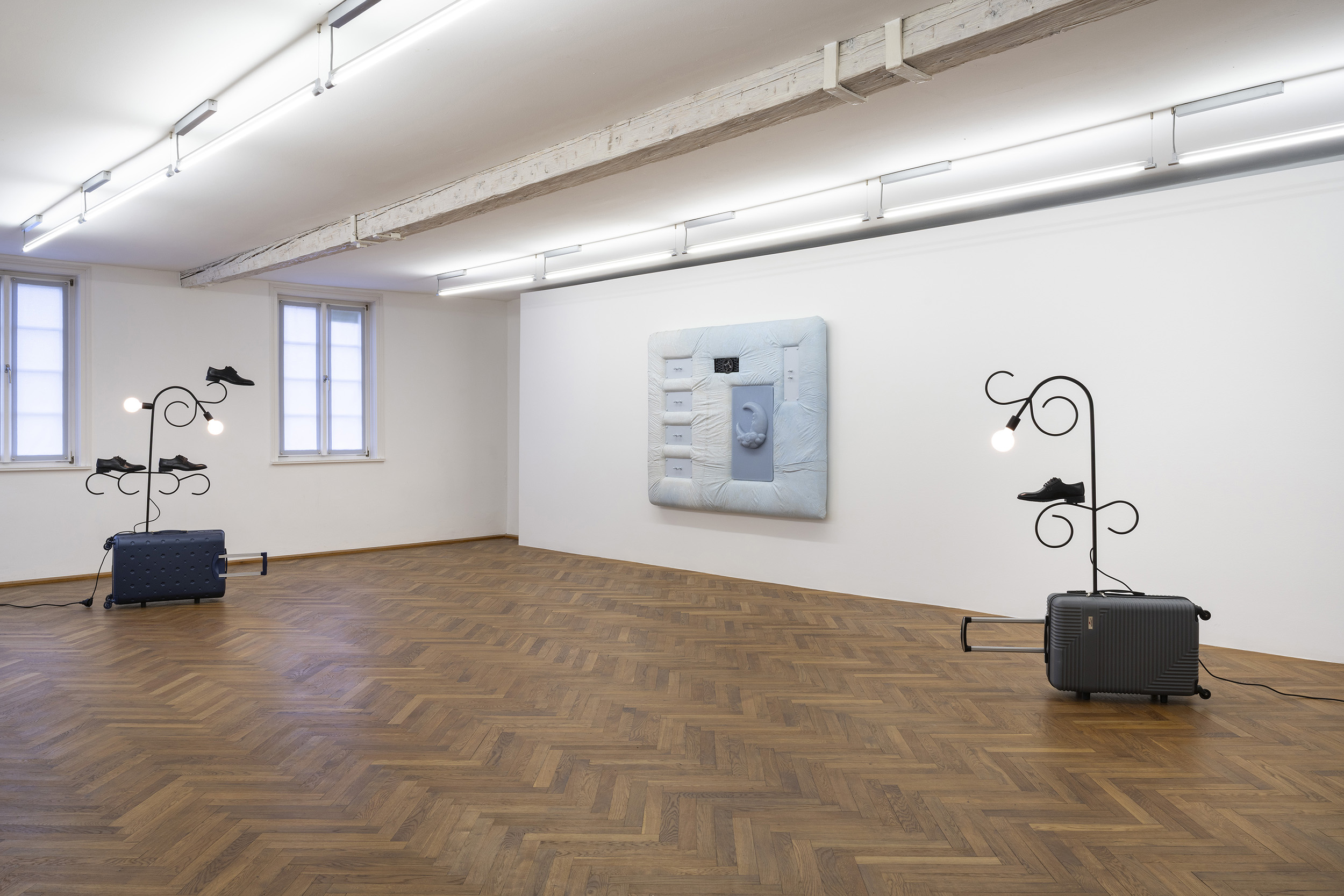
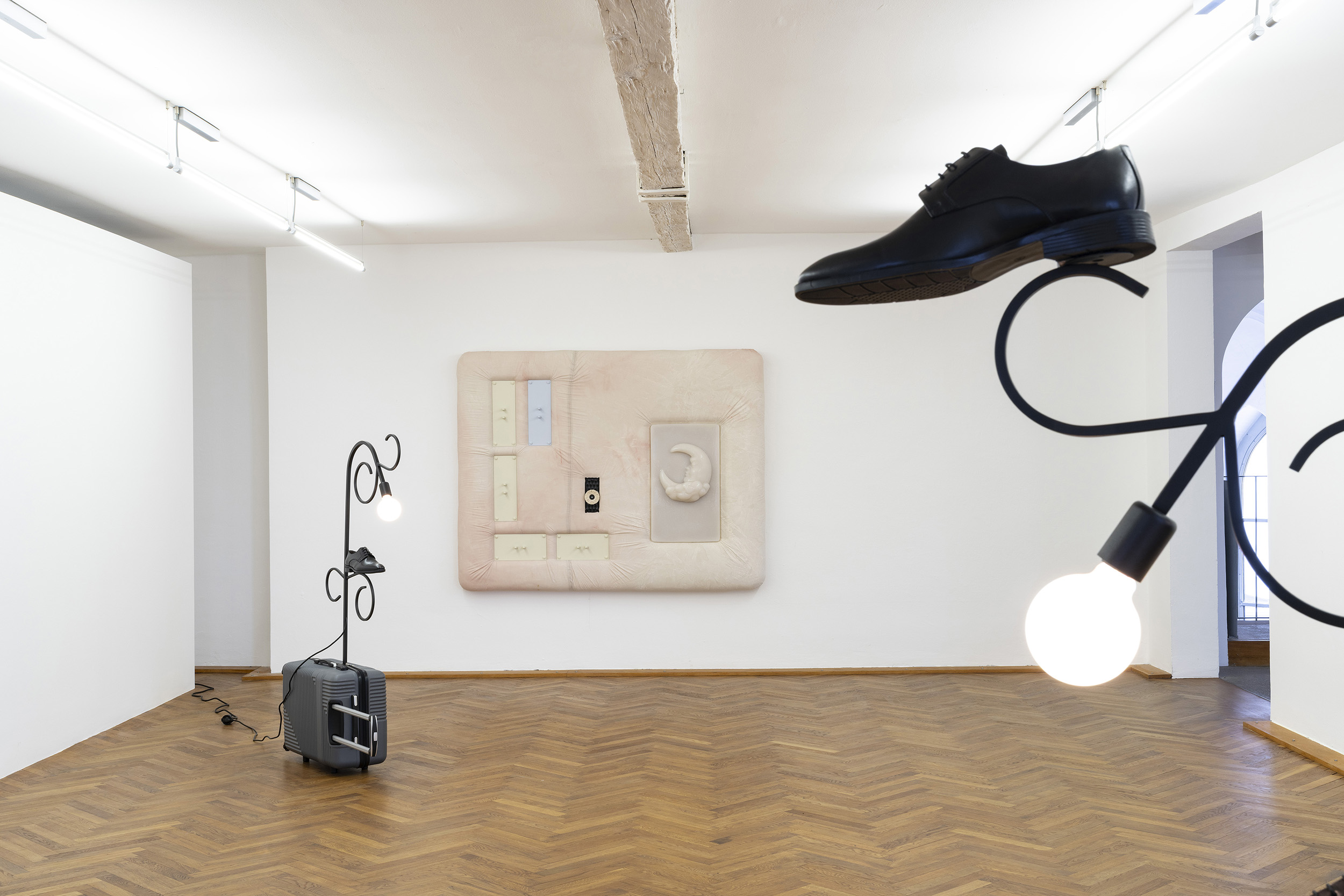
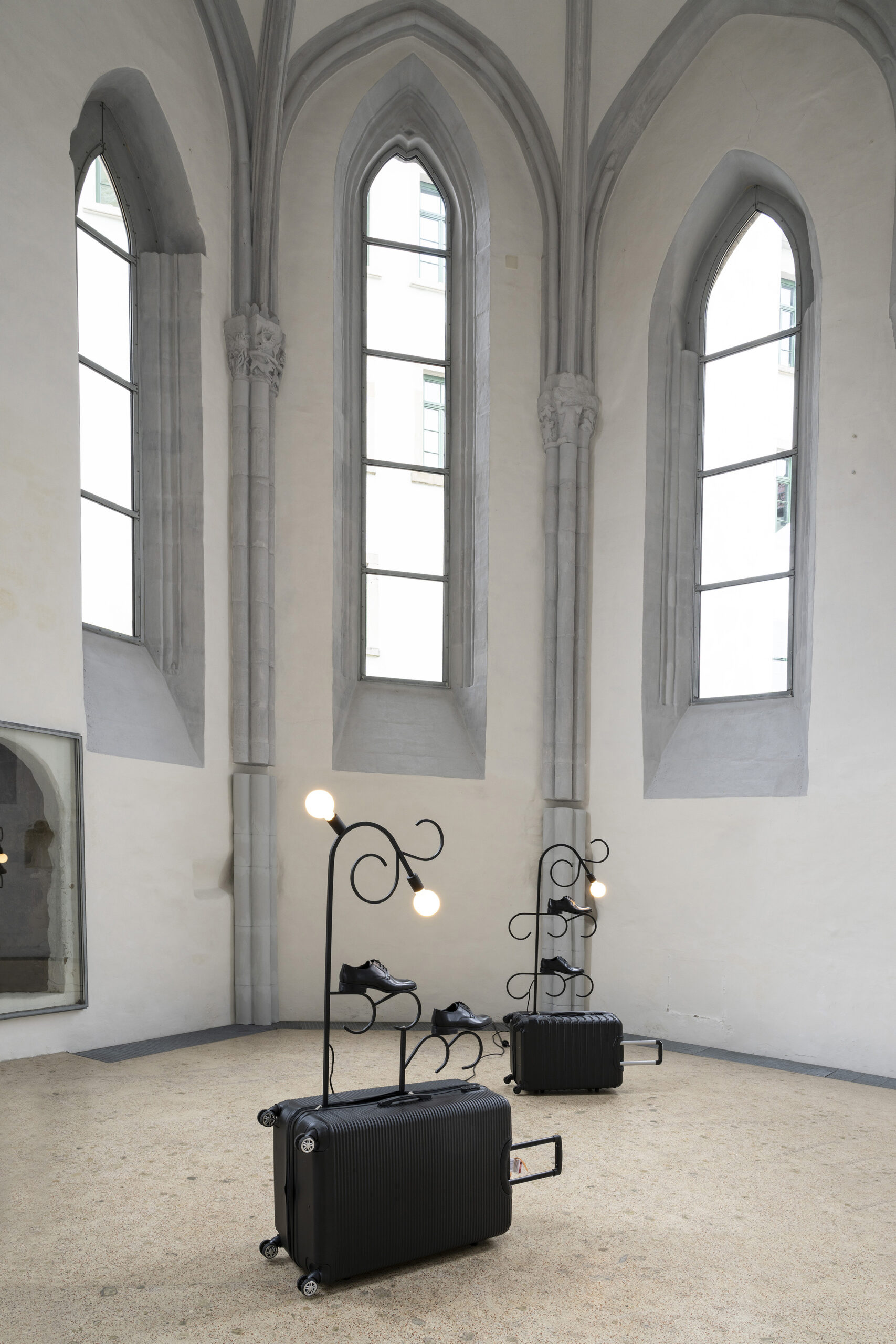
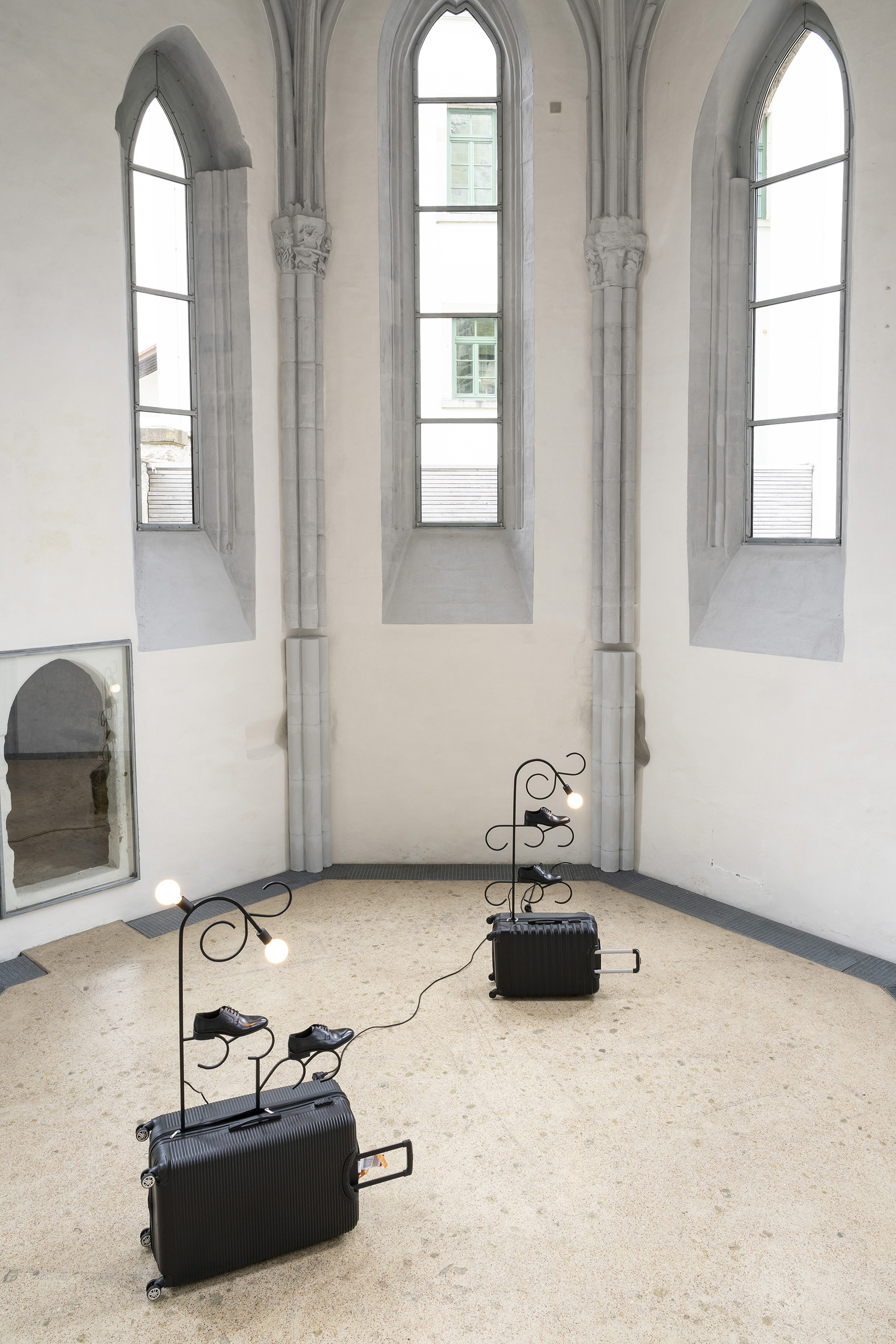
“New Faces in Town,” is a series of iron-welded lamps, created in collaboration with a craftsperson in Istanbul. These sculptural lamp-objects incorporate factory-made shoes and a hand-welded iron framework, with a suitcase serving as their base. By fusing elements from both artisanal and industrial processes, these works evoke movement and displacement —both physically and as a metaphor for shifting economies of labor and production. Also will be featured in the exhibition is the “Brown” and “White Cipher” series, which explores material contrasts and tactile tensions. As the titles suggest, these works reference skin tones, with silicone surfaces that resemble the texture of human flesh. Embedded within the silicone are metal components—some salvaged from demolished buildings, others sourced from construction materials such as saw blades and polishing discs. The interplay of these elements creates a palpable sense of tension, underscoring the fragility and resilience of bodies, histories, and labor. 

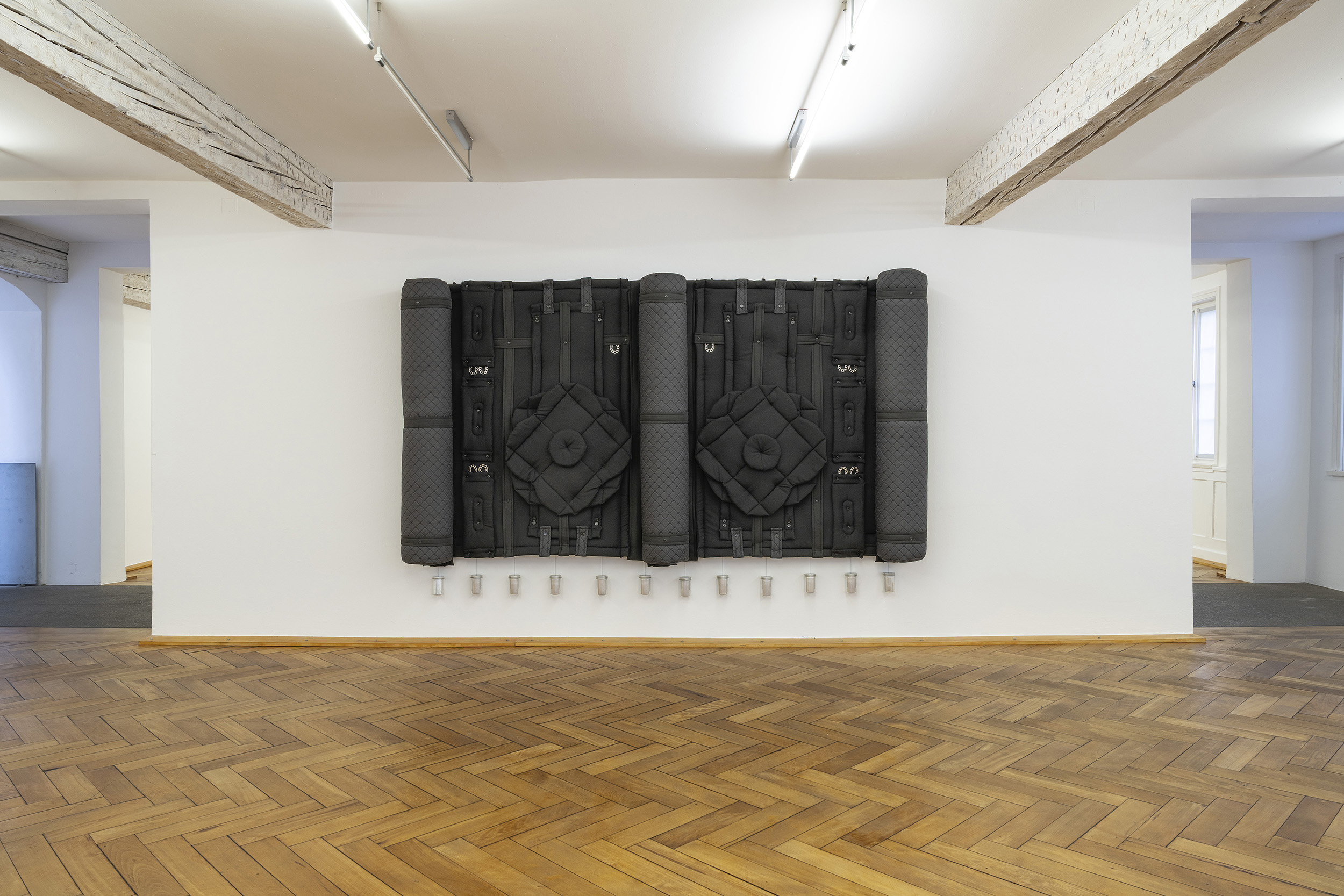
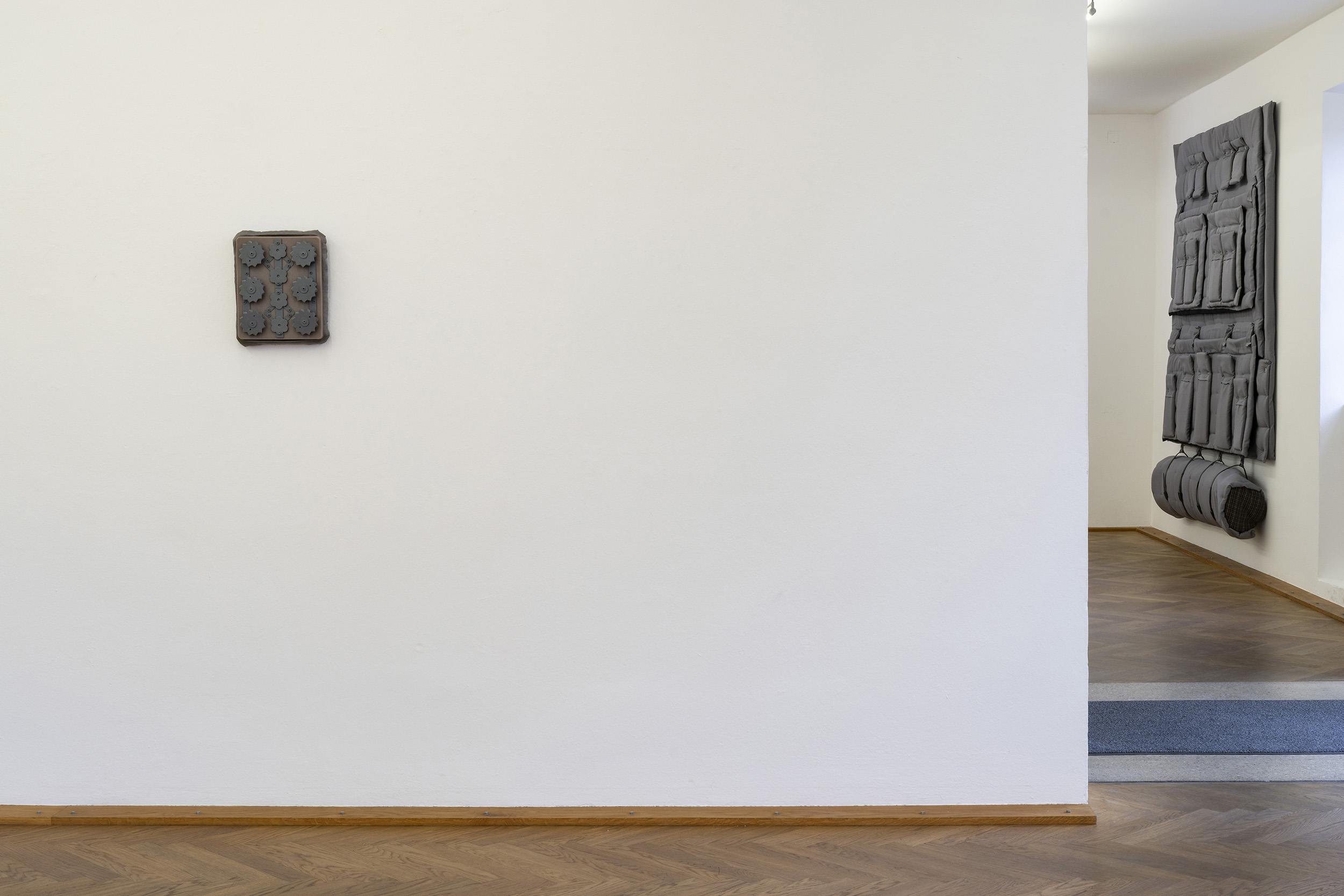
Yeşim’s ongoing series, “Self-Portrait as an Orientalist Carpet,” consists of large-scale textile works resembling traditional Anatolian blankets. Once passed down through generations, this craft has been increasingly displaced by industrial production. The series critically examines Orientalism, questioning how Eastern identities have been framed, exoticized, and commodified. By merging self-representation with decorative motifs, these works challenge fixed notions of culture, identity, and authenticity, blurring the boundaries between portraiture and textile. In doing so, they explore how identities are woven—both literally and metaphorically—into cultural and historical narratives. 

Additionally, the exhibition presents new works from Yeşim’s ongoing series “TBA.” These pieces combine painted surfaces with silicone and metal elements, continuing her engagement with hybrid materialities. The assemblage of handmade and industrially produced components reflects her ongoing exploration of food as a metaphor for identity and exoticism, probing how cultural perceptions are shaped through consumption and representation. In her most recent work, Yeşim integrates mass-produced yet unbranded objects — buckles, car upholstery, and other industrial remnants — materials that move through supply chains largely unnoticed. Much like the workers who handle them, these objects traverse industries and geographies, subtly influencing cultures without acknowledgment or authorship. Through the interplay of the handcrafted and the manufactured, the visible and the unseen, her work examines how histories of migration, labor, and power are embedded in everyday materials, revealing the silent forces that shape our interconnected world. 

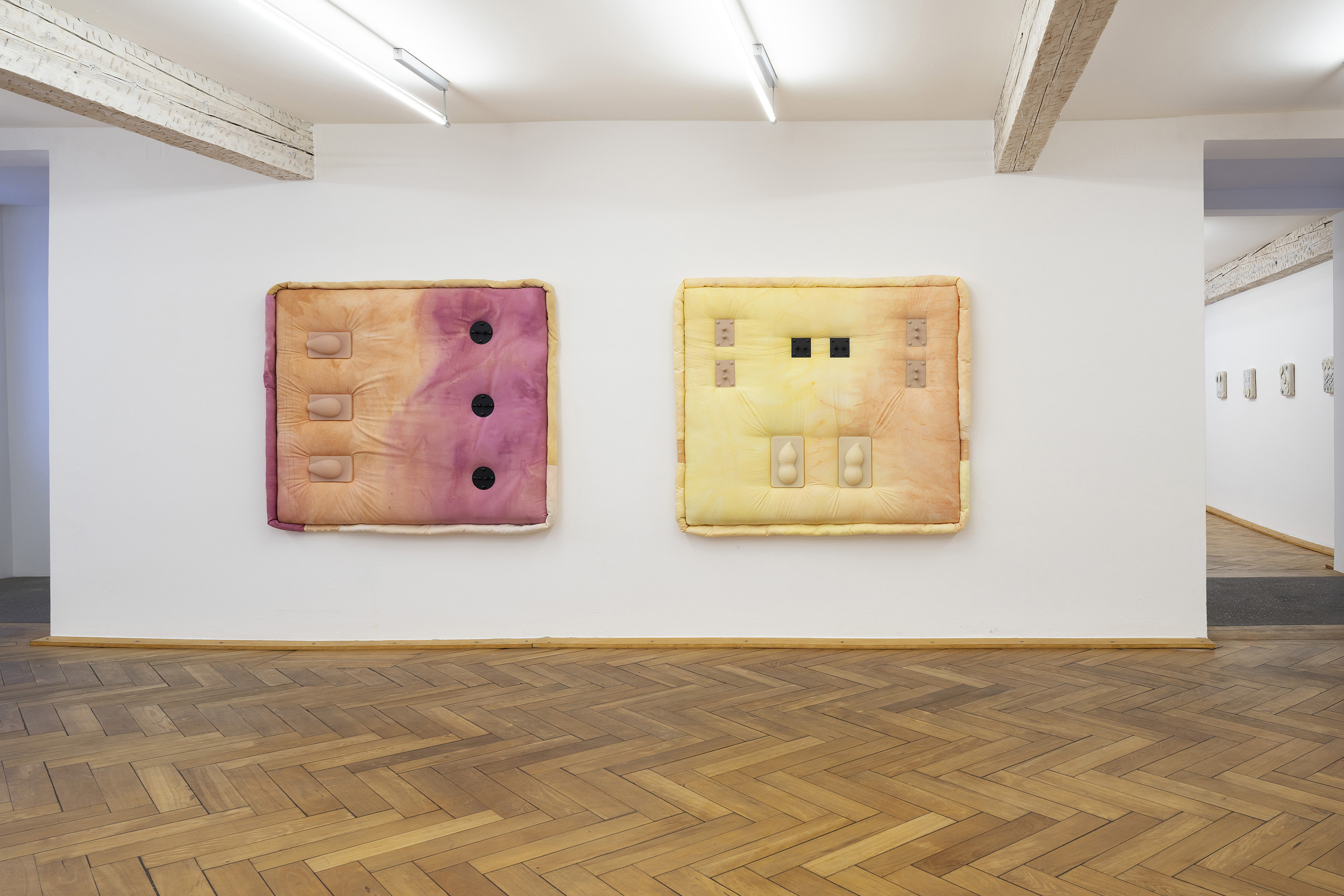
"New Home" features an installation and two new series of works realized specifically for the exhibition. One of these series is titled "Gute Nacht," alongside the series "Walking on Eggshells.”

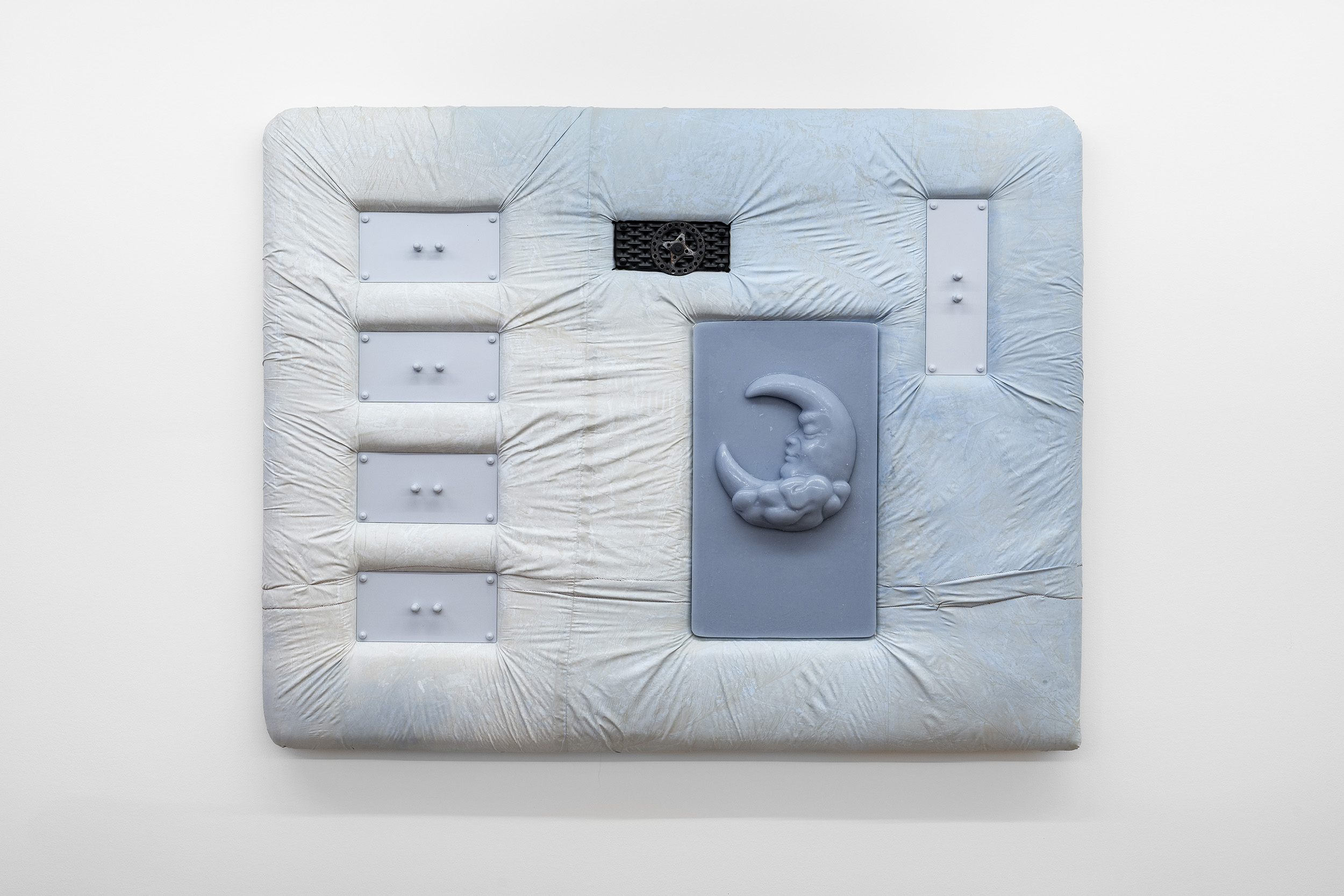
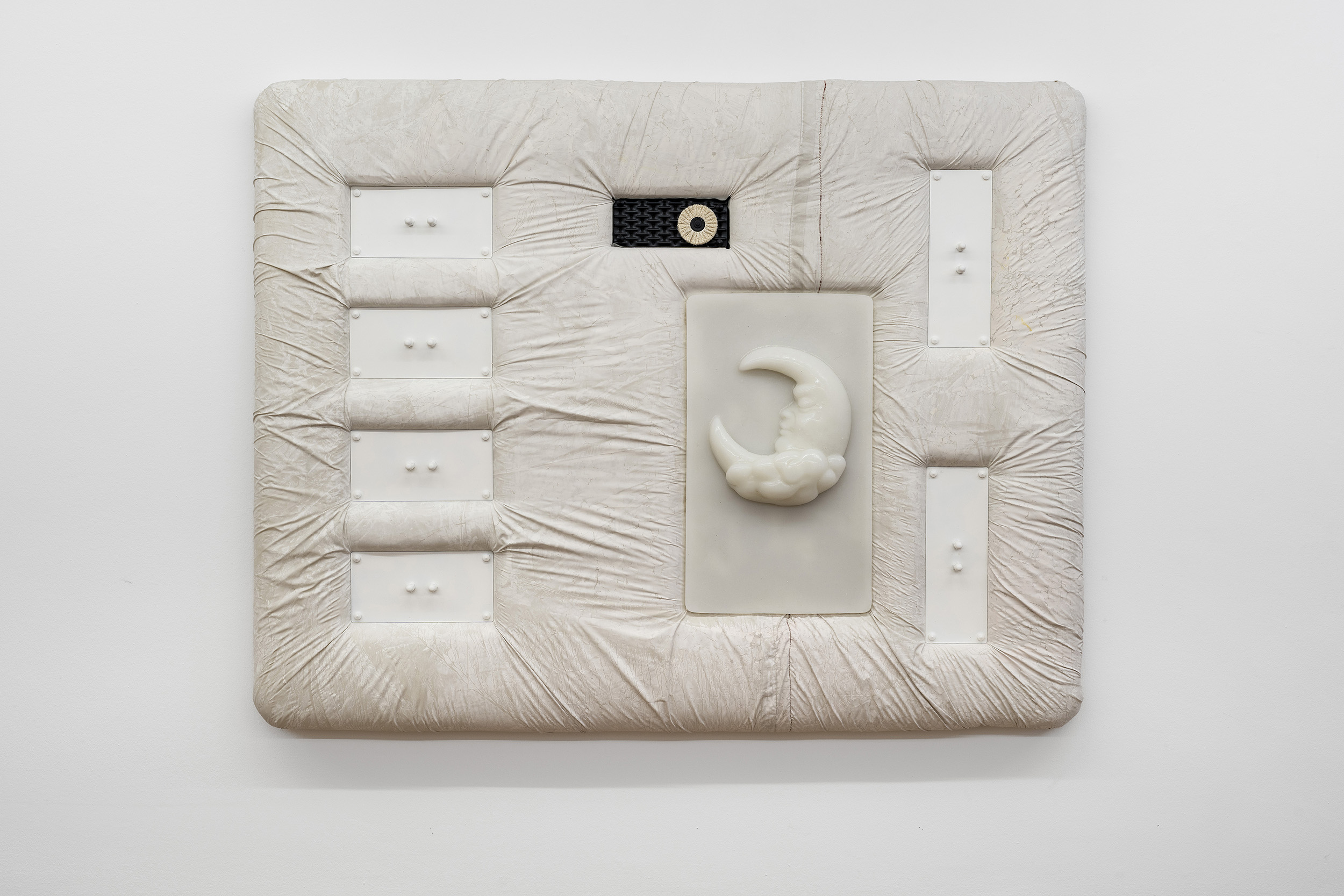
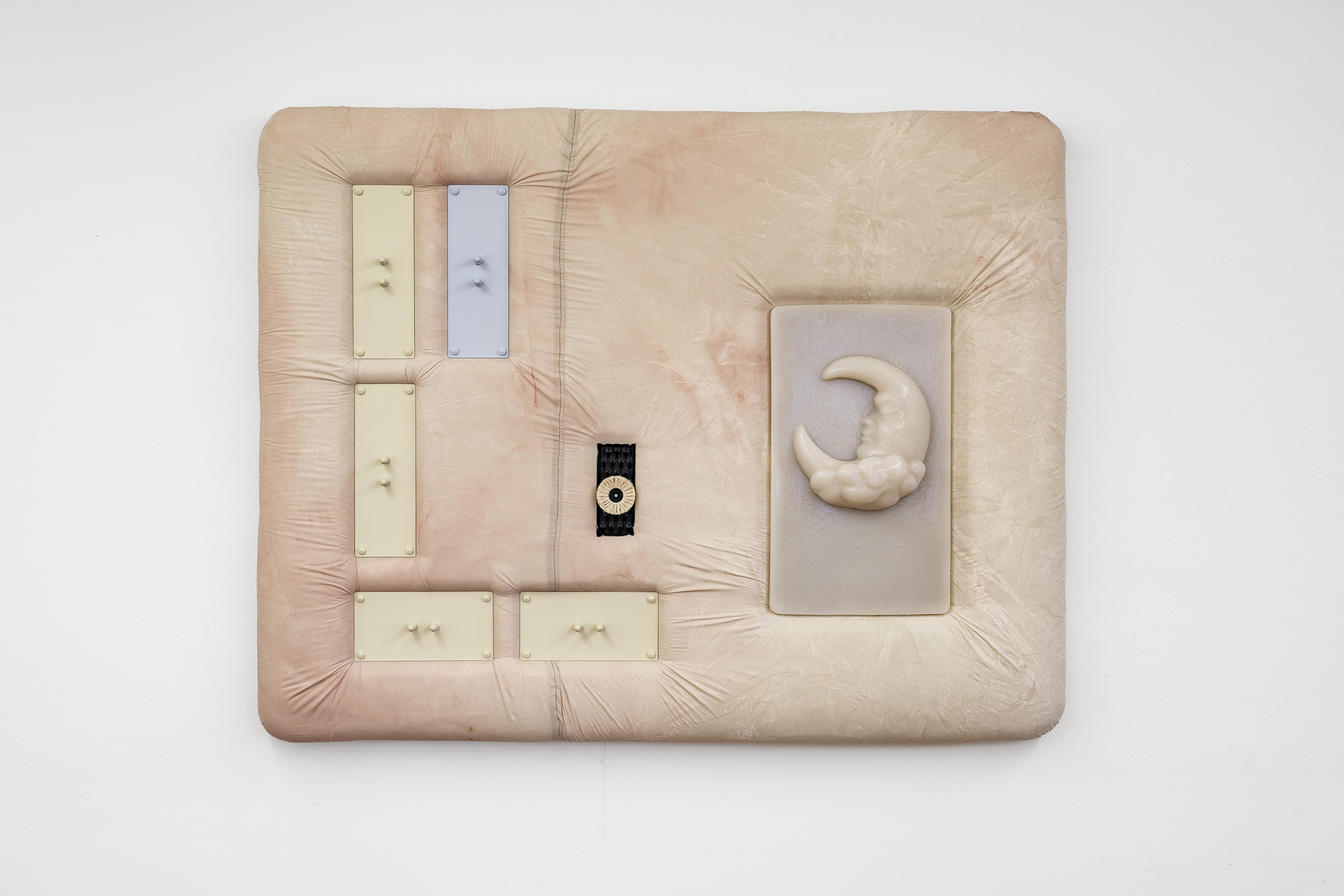
When we think of home, we envision our own space where we can rest and feel safe. With the term “New,” the exhibition questions the notion of rooting and the state of being at home, not only for a person but also for objects. In this redefined concept of a new home, the series "Gute Nacht" implies more of  ways of looking away than of resting. The imagery of a sleeping moon evokes a psychological space of withdrawal, hinting at denial or quiet resistance.

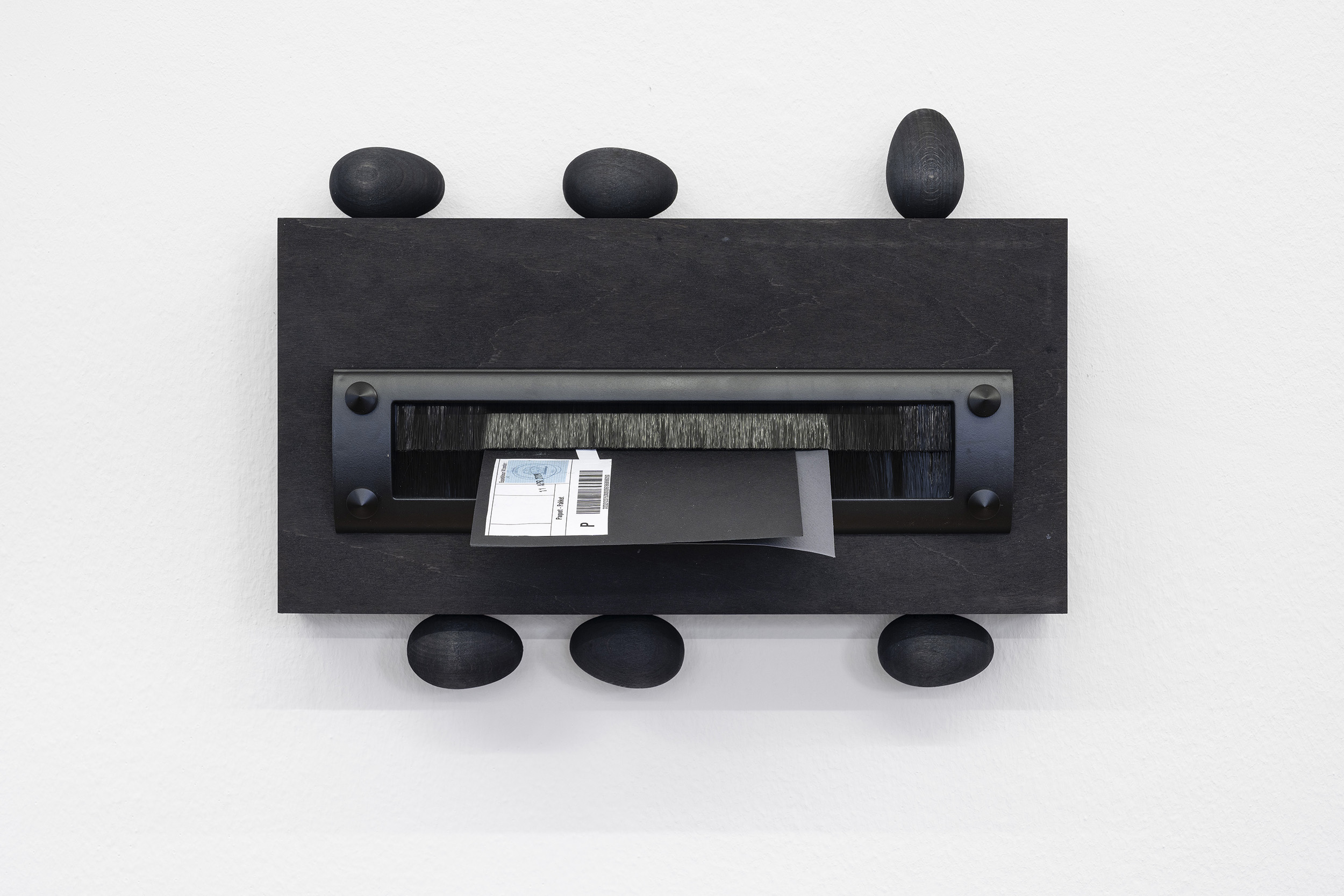
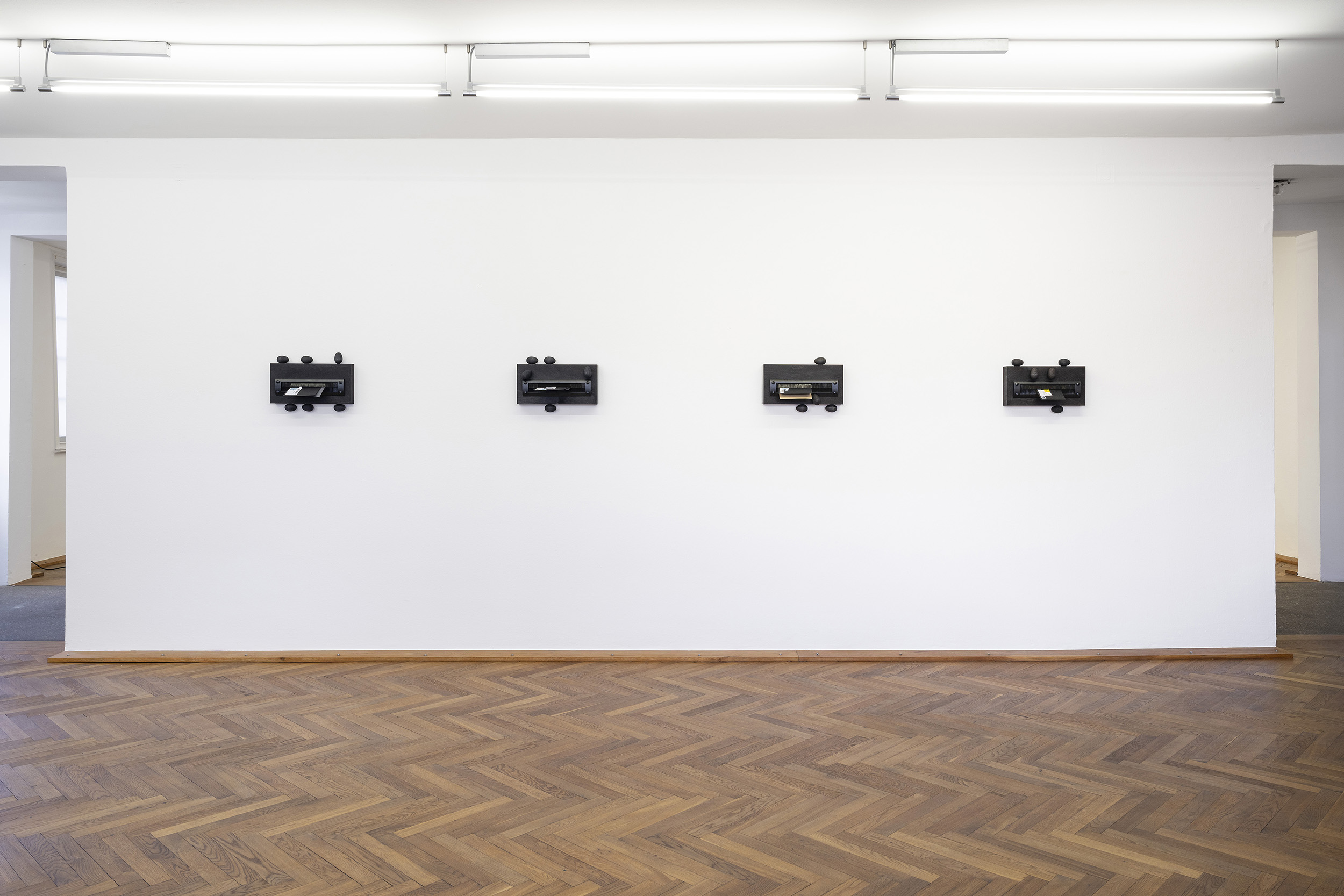
For "Walking on Eggshells," the artist built mailboxes containing fictional letters (to herself) from the German Foreign Office, dated in the future. The absurd dance of multiple eggs scattered across the mailboxes highlights both the surrealism of bureaucratic systems and the fragility of immigrant narratives. These works question the roles of state power, identity, and the precarity of belonging, especially within the mechanisms of administration and policy.

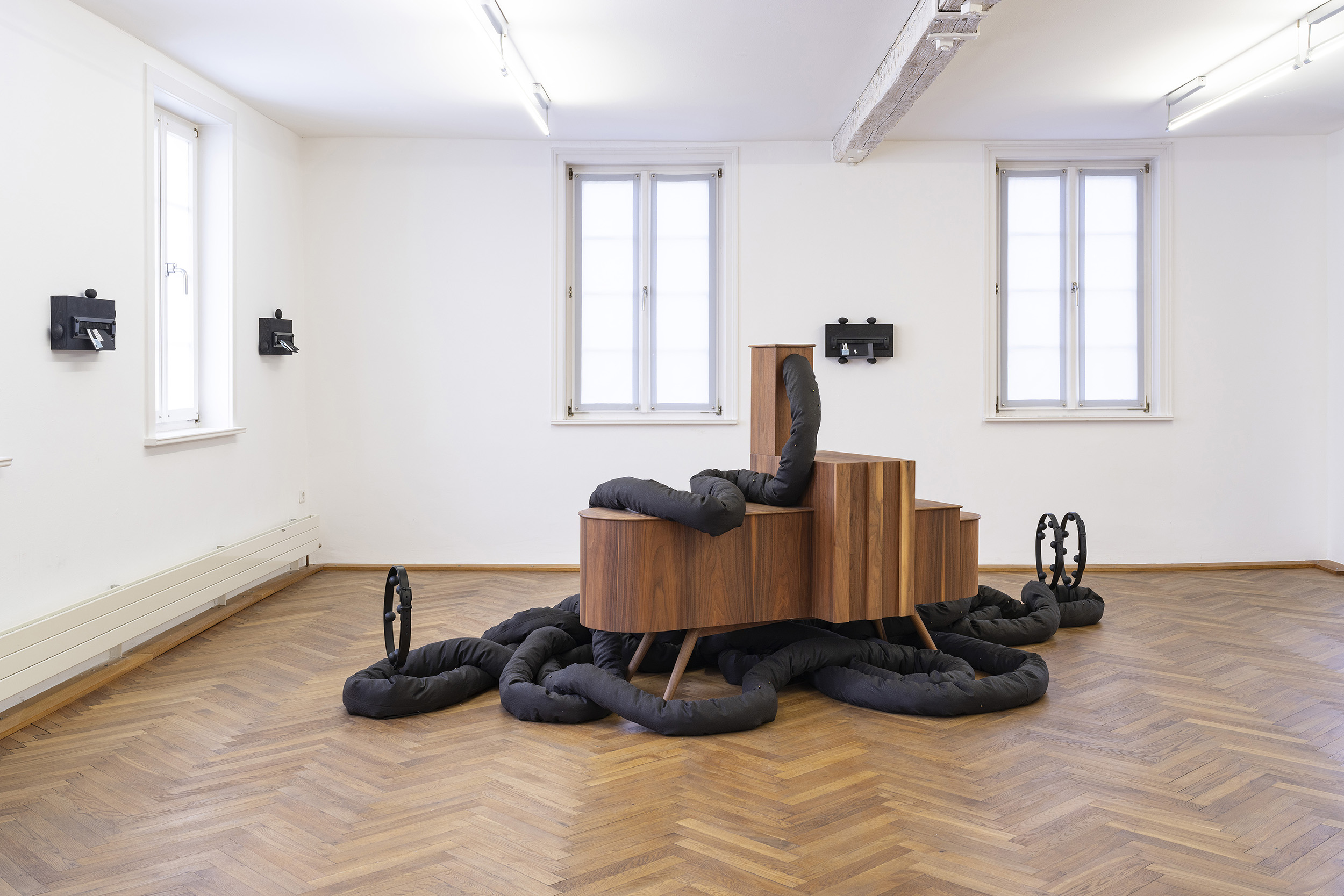
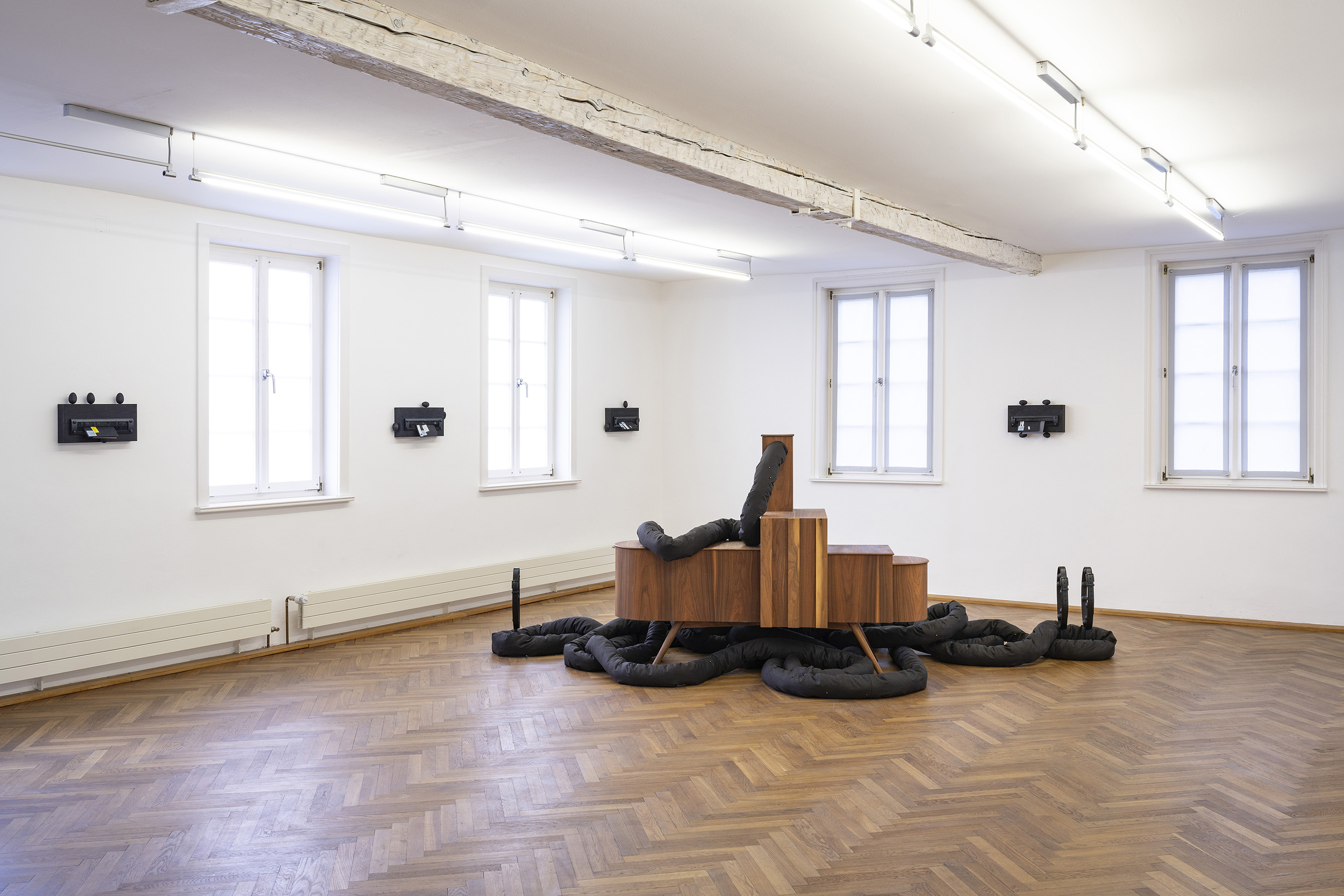
The installation "Negotiation-2" displays a revised and transformed object from 2016. The wooden form takes the shape of one of Turkey’s earliest modernist architectural structures, built in the 1920s. In this work, the artist reopens a dialogue with the legacy of modernity, probing its historical promises and failures. Through this architectural evocation, a negotiation is staged between utopian ambition and its contemporary aftermath, inviting reflection on the politics of form and memory.
Exhibition view, Galerie der Stadt Backnang, 2025
Exhibition view, Galerie der Stadt Backnang, 2025, "Selfportrait as an Orientalist Carpet 22", 180 x 300 cm, Textile, upholstery, button, buckle, velcro, stitching, pepper shakers
Exhibition view, Galerie der Stadt Backnang, 2025
Exhibition view, Galerie der Stadt Backnang, 2025, "GUTE NACHT #2", 150 x 190 cm, textile,silicone,paint, metal, upholsery, wood
Exhibition view, Galerie der Stadt Backnang, 2025
Exhibition view, Galerie der Stadt Backnang, 2025, "GUTE NACHT #1", 150 x 190 cm, textile,silicone,paint, metal, upholsery, wood
Exhibition view, Galerie der Stadt Backnang, 2025
Exhibition view, Galerie der Stadt Backnang, 2025, "GUTE NACHT #3", 150 x 190 cm, textile,silicone,paint, metal, upholsery, wood
Exhibition view, Galerie der Stadt Backnang, 2025, "Walking on Eggshells", 40 x 25 cm, wood, metal, letters
Exhibition view, Galerie der Stadt Backnang, 2025

NEW HOME

Galerie der Stadt Backnang, 2025 

The exhibition NEW HOME by Yeşim Akdeniz at Galerie der Stadt Backnang brings a large group of her recent works together. Yeşim Akdeniz’s practice is infused with symbolic narratives that reflect cultural production, negotiation, and appropriation while exploring the migration of forms, materials, and labor, examining the intersections between craft and industrial production. Central to her work is a distinct visual language of symbolism, through which she weaves personal and cultural references, offering layered interpretations of history, identity, and collective memory. 

“New Faces in Town,” is a series of iron-welded lamps, created in collaboration with a craftsperson in Istanbul. These sculptural lamp-objects incorporate factory-made shoes and a hand-welded iron framework, with a suitcase serving as their base. By fusing elements from both artisanal and industrial processes, these works evoke movement and displacement —both physically and as a metaphor for shifting economies of labor and production. Also will be featured in the exhibition is the “Brown” and “White Cipher” series, which explores material contrasts and tactile tensions. As the titles suggest, these works reference skin tones, with silicone surfaces that resemble the texture of human flesh. Embedded within the silicone are metal components—some salvaged from demolished buildings, others sourced from construction materials such as saw blades and polishing discs. The interplay of these elements creates a palpable sense of tension, underscoring the fragility and resilience of bodies, histories, and labor. 

Yeşim’s ongoing series, “Self-Portrait as an Orientalist Carpet,” consists of large-scale textile works resembling traditional Anatolian blankets. Once passed down through generations, this craft has been increasingly displaced by industrial production. The series critically examines Orientalism, questioning how Eastern identities have been framed, exoticized, and commodified. By merging self-representation with decorative motifs, these works challenge fixed notions of culture, identity, and authenticity, blurring the boundaries between portraiture and textile. In doing so, they explore how identities are woven—both literally and metaphorically—into cultural and historical narratives. 

Additionally, the exhibition presents new works from Yeşim’s ongoing series “TBA.” These pieces combine painted surfaces with silicone and metal elements, continuing her engagement with hybrid materialities. The assemblage of handmade and industrially produced components reflects her ongoing exploration of food as a metaphor for identity and exoticism, probing how cultural perceptions are shaped through consumption and representation. In her most recent work, Yeşim integrates mass-produced yet unbranded objects — buckles, car upholstery, and other industrial remnants — materials that move through supply chains largely unnoticed. Much like the workers who handle them, these objects traverse industries and geographies, subtly influencing cultures without acknowledgment or authorship. Through the interplay of the handcrafted and the manufactured, the visible and the unseen, her work examines how histories of migration, labor, and power are embedded in everyday materials, revealing the silent forces that shape our interconnected world. 

"New Home" features an installation and two new series of works realized specifically for the exhibition. One of these series is titled "Gute Nacht," alongside the series "Walking on Eggshells.”

When we think of home, we envision our own space where we can rest and feel safe. With the term “New,” the exhibition questions the notion of rooting and the state of being at home, not only for a person but also for objects. In this redefined concept of a new home, the series "Gute Nacht" implies more of  ways of looking away than of resting. The imagery of a sleeping moon evokes a psychological space of withdrawal, hinting at denial or quiet resistance.

For "Walking on Eggshells," the artist built mailboxes containing fictional letters (to herself) from the German Foreign Office, dated in the future. The absurd dance of multiple eggs scattered across the mailboxes highlights both the surrealism of bureaucratic systems and the fragility of immigrant narratives. These works question the roles of state power, identity, and the precarity of belonging, especially within the mechanisms of administration and policy.

The installation "Negotiation-2" displays a revised and transformed object from 2016. The wooden form takes the shape of one of Turkey’s earliest modernist architectural structures, built in the 1920s. In this work, the artist reopens a dialogue with the legacy of modernity, probing its historical promises and failures. Through this architectural evocation, a negotiation is staged between utopian ambition and its contemporary aftermath, inviting reflection on the politics of form and memory.